
Why a Child Can Have 20/20 Vision but Still Struggle in School
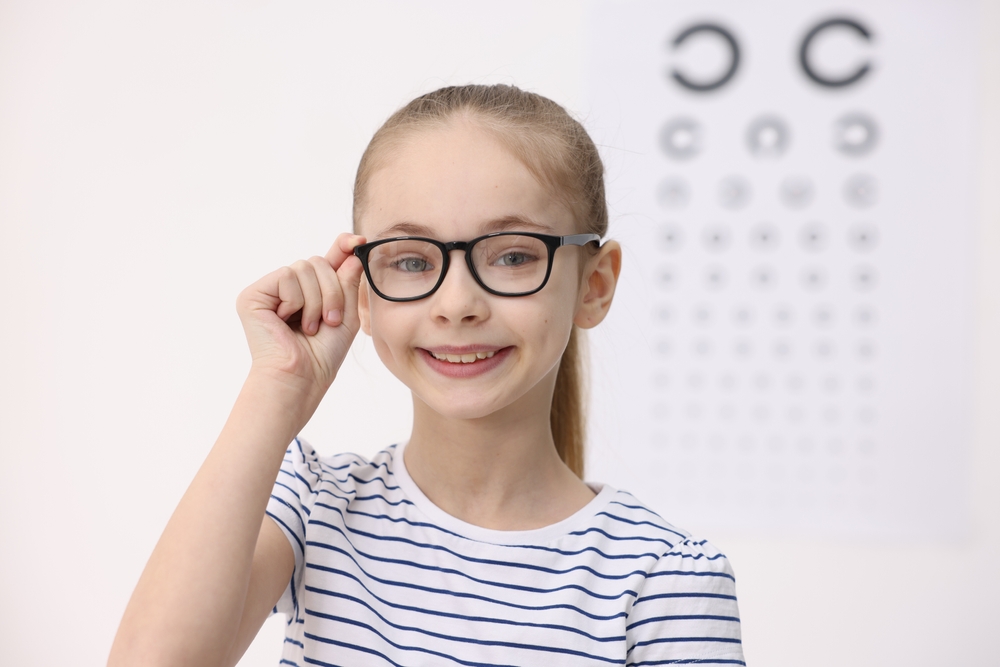
Passing a vision test does not always mean a child’s visual system is working optimally for learning. While 20/20 vision confirms clarity, it does not assess how well the eyes and brain work together during reading, writing, and classroom tasks.
What 20/20 Vision Really Means
20/20 vision refers only to how clearly a child can see letters on an eye chart from a specific distance. While this measurement confirms visual clarity, it does not evaluate how well the eyes work together, how efficiently they move across text, or how accurately the brain interprets visual information. These functional skills are critical for learning but are not measured in a standard vision test.
How Vision Impacts Learning
In school, children rely on vision for nearly every task - reading books, copying from the board, completing worksheets, and using computers. If the visual system isn’t working efficiently, learning can become exhausting and frustrating.
Common classroom-related visual skills include:
Eye teaming (both eyes working together)
Eye tracking (smooth movement across words)
Visual focusing (quickly shifting near to far)
Visual processing (understanding what is seen)
Visual memory and sequencing
When these skills are weak, academic performance often suffers - even when eyesight is technically “normal.”
Signs Your Child May Have a Functional Vision Problem
Children with visual skill deficits often show symptoms that are mistaken for behavioral or learning issues. These may include:
Difficulty reading or slow reading speed
Skipping lines or losing place while reading
Poor reading comprehension
Headaches or eye strain
Short attention span for visual tasks
Avoidance of homework or reading
Reversing letters or words
Trouble copying from the board
Because these signs aren’t detected during standard eye exams or school vision screenings, they frequently go undiagnosed.
How Pediatric Vision Therapy Helps
Pediatric vision therapy is a customized, non-invasive treatment program designed to strengthen visual skills and improve how the eyes and brain work together. At Advanced Vision Therapy Center, vision therapy programs are tailored to each child’s specific needs and may help improve:
Reading fluency and comprehension
Attention and focus during schoolwork
Eye coordination and tracking accuracy
Visual processing and organization
Confidence in the classroom
Rather than compensating for visual challenges, vision therapy addresses the root cause - helping children learn more comfortably and efficiently.
Find Out If Vision Therapy Is Right for Your Child
Clear eyesight alone does not guarantee strong visual skills for learning. A child can have 20/20 vision and still face significant challenges in school due to underlying visual inefficiencies. With the right evaluation and personalized vision therapy, many children experience improved learning, confidence, and overall academic performance.
If your child is struggling in school despite having 20/20 vision, Advanced Vision Therapy Center is here to help. Contact our office to schedule a consultation and learn whether vision therapy could support your child’s learning and development. Visit our office in Boise, Idaho, or call (208) 377-1310 to book an appointment today.
MAP

Our Services
Contact Info
Hours of Operation
- Monday Closed
- Tuesday 8:00am - 6:00pm
- Wednesday 8:00am - 6:00pm
- Thursday 8:00am - 6:00pm
- Friday 8:00am - 6:00pm
- Saturday Closed
- Sunday Closed
© 2026 Advanced Vision Therapy Center. All rights Reserved. Accessibility Statement - Privacy Policy - Sitemap
Powered by:
