
Rewiring the Pathway: How Neuro-Optometric Therapy Helps Visual Processing for Children
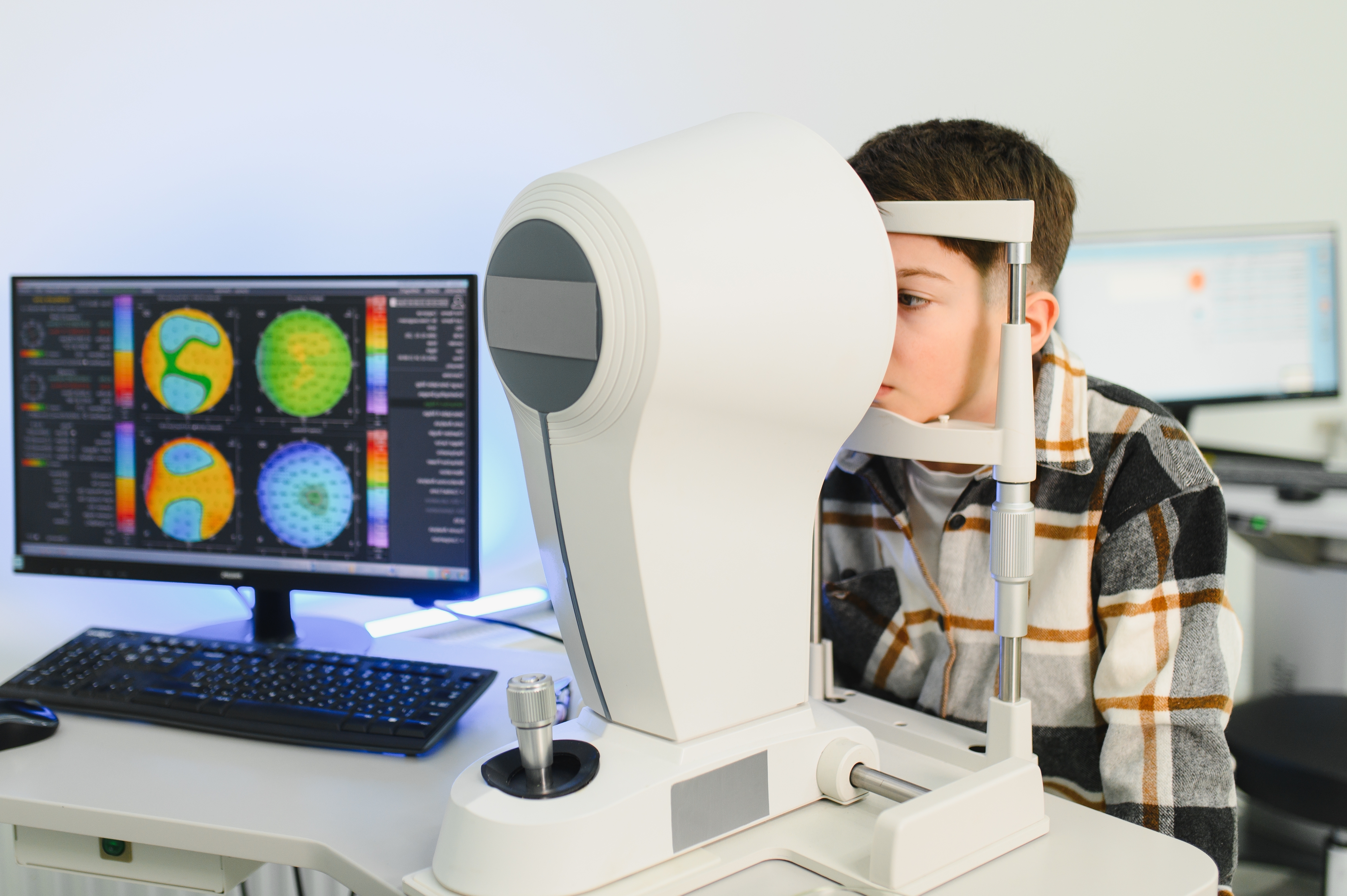
A child may have clear eyesight but still struggle to understand, organize, or respond to visual information. Reading difficulties, poor concentration, slow copying, and frequent loss of place can sometimes be connected to how efficiently the eyes and brain communicate.
Neuro-optometric therapy helps strengthen this connection. Through a personalized treatment program, children can develop the visual skills needed for learning, coordination, and everyday activities.
Clear Eyesight Is Only Part of Vision
A standard measurement of 20/20 eyesight shows how clearly a child can see at a specific distance. It does not fully evaluate how the eyes track words, work together, maintain focus, or process visual details.
Visual processing involves the brain interpreting information received through the eyes. When this system is inefficient, a child may need more time and effort to complete tasks that depend heavily on vision. These challenges can affect reading fluency, handwriting, attention, sports, and confidence in the classroom.
Signs of Visual Processing Difficulties
Visual processing problems can appear differently from one child to another. Parents may notice:
• Losing place or skipping words while reading
• Taking longer than expected to complete assignments
• Confusing similar letters, shapes, or words
• Struggling to copy information from the board
• Avoiding reading or other close-up activities
• Experiencing eye strain, headaches, or fatigue
• Having difficulty remembering visually presented information
These signs do not automatically confirm a vision disorder. A specialized visual assessment can determine whether inefficient visual skills may be contributing to the child’s difficulties.
How Neuro-Optometric Vision Therapy Works
Neuro-optometric vision therapy is an individualized program designed to improve communication between the eyes and brain. It goes beyond basic eye exercises by using carefully selected activities that address diagnosed visual weaknesses.
Treatment may focus on eye tracking, eye teaming, focusing, visual memory, spatial awareness, processing speed, and hand-eye coordination. Activities become progressively more challenging as the child develops stronger and more automatic visual responses.
The goal is not simply to help a child perform a task during an appointment. Therapy is intended to help the child use improved visual skills more effectively during reading, writing, sports, and daily life.
Supporting Learning Through Stronger Visual Skills
Children rely on vision throughout the school day. They must shift focus between a desk and the board, follow lines of text, recognize patterns, remember visual details, and coordinate their eyes with their hands.
When these skills require excessive effort, a child may become tired, distracted, or frustrated. Improving visual efficiency can reduce the amount of energy needed to process information. This may make it easier for the child to remain engaged and complete visually demanding activities.
Personalized Care for Each Child
There is no single vision therapy program that is appropriate for every child. A comprehensive assessment helps identify the specific visual skills that need support. The findings can then guide a structured treatment plan based on the child’s symptoms, abilities, and progress.
Schedule a neuro-optometric assessment with Advanced Vision Therapy Center to learn more about vision therapy for your child. Visit our office in Boise, ID, or call (208) 377-1310 to book an appointment.
MAP

Our Services
Contact Info
Hours of Operation
- Monday Closed
- Tuesday 8:00am - 6:00pm
- Wednesday 8:00am - 6:00pm
- Thursday 8:00am - 6:00pm
- Friday 8:00am - 6:00pm
- Saturday Closed
- Sunday Closed
© 2026 Advanced Vision Therapy Center. All rights Reserved. Accessibility Statement - Privacy Policy - Sitemap
Powered by:
